
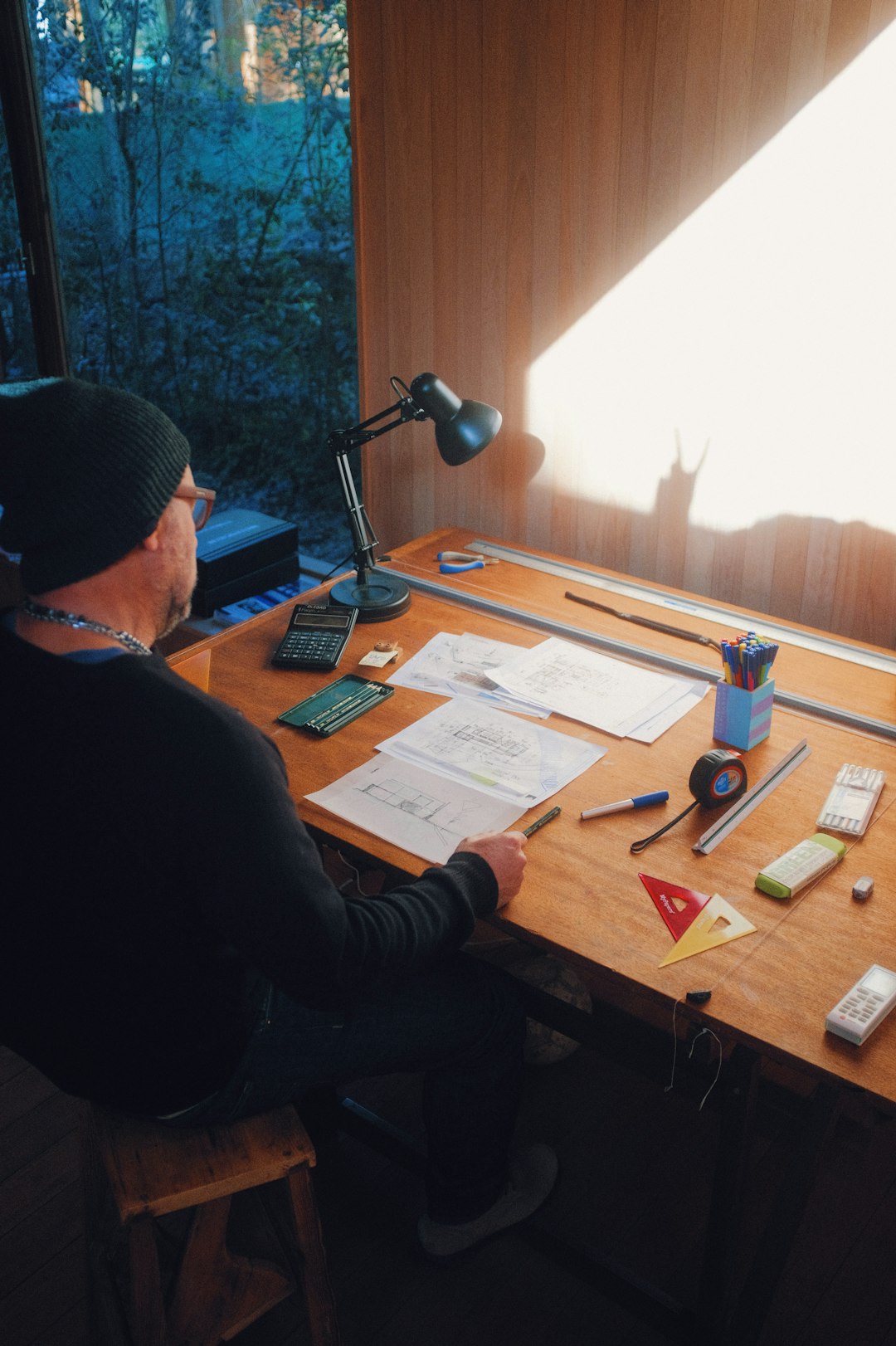
Web designing is the process of creating and maintaining websites that are attractive, functional, and user-friendly. It consists of visual elements, such as layouts, colors, fonts, and graphics, and functional elements, such as usability, performance, responsiveness, and accessibility. Web design Poole requires both technical skills and creative skills to produce websites that meet the needs and expectations of users and clients.
How Web Designing Can Help You
Web designing does not only involve making websites that are appealing; it also involves making websites that are effective. A well-designed website can have many benefits for both users and owners. Some of these benefits are:
Better user experience (UX): A website that is clear to navigate, fast to load, responsive to different devices, and accessible to all users can deliver a positive UX that improves user satisfaction, engagement, retention, and loyalty.
Increased conversion rate (CRO): A website that is appealing, persuasive, and trustworthy can encourage users to take action, such as signing up, buying, or contacting, which increases the conversion rate (CRO) of the website.
Better search engine optimization (SEO): A website that complies with the best practices for SEO, such as using suitable keywords, accurate headings, meta tags, and alt texts, can rank higher on search engines like Google or Bing, which increases the awareness and traffic of the website.
Strengthened brand identity and reputation: A website that reflects the values, vision, and personality of the business or organization can create a strong brand identity and reputation that attracts and retains customers and partners.
How to Design a Website Effectively
Web designing is not a universal process; it varies depending on the objectives, audience, and context of each website. However, there are some basic principles that can assist web designers to create websites that are user-friendly and functional. Some of these principles include:
Balance: A website should have a balanced layout that distributes the visual weight of the elements evenly across the page. This creates a sense of harmony and stability for the users. Balance can be achieved by using symmetry or asymmetry, contrast or similarity, proportion or scale, etc.
Hierarchy: A website should have a clear hierarchy that organizes the information and elements according to their importance and relevance. This helps users to scan, read, and understand the content simply and swiftly. Hierarchy can be created by using size, color, shape, location, alignment, spacing, etc.
Consistency: A website should have a consistent design that maintains the same style, tone, and appearance throughout all pages. This creates a sense of familiarity and trust for the users. Consistency can be achieved by using common elements such as colors, fonts, images, logos, icons, buttons, etc.
Simplicity: A website should have a simple design that avoids needless clutter and complexity. This creates a sense of clarity and focus for the users. Simplicity can be achieved by using white space, minimalism, clear typography, relevant images, etc.
Attributed by: click